
Veterinarians Meeting the Dental Needs of Pets in Boxborough Since 1999
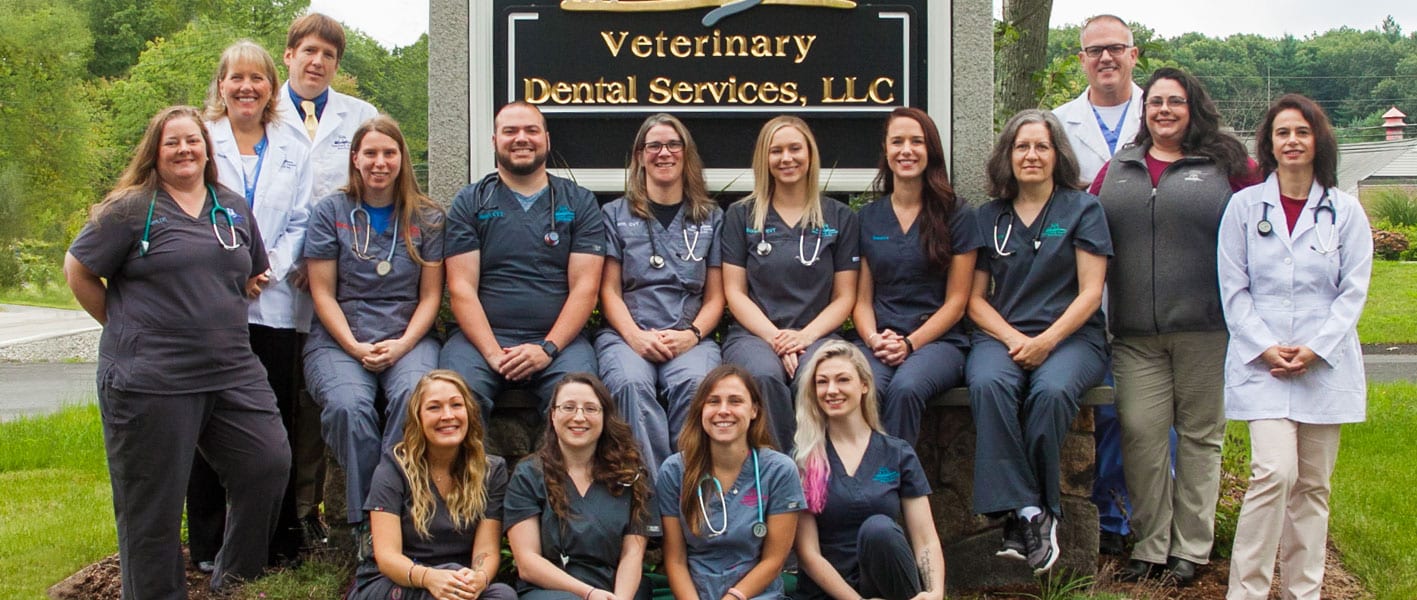
Whether you’re seeking advanced veterinary dental services for a patient or for your own pet, Veterinary Dental Services truly is the right place for you. Our veterinarians have been providing state-of-the-art veterinary dental care and oral surgery in Massachusetts for almost 20 years while keeping the safety and comfort of our patients at the forefront.
As a specialty practice, we offer personalized dental service with a gentle touch for pets throughout Massachusetts, and the entire New England region. You’ll find our facility just near Route 495 and Route 2.
We are also an American Animal Hospital-accredited referral hospital, which means we hold ourselves to a higher standard with our services to our patients and to our clients. Pets are our passion, and keeping them healthy is our #1 priority. Here, we strive to deliver excellent care for pets in a calm, relaxing atmosphere of trust, because they deserve nothing less.

Our Veterinarian’s Mission
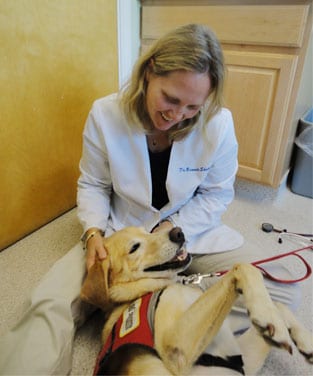
- To provide high quality veterinary dentistry, oral surgery, and anesthesia
- To treat patients and pet owners with compassion and respect
- To give pets a comfortable mouth which is free of pain and infection

- To maintain and preserve oral function
- To educate our clients about dental disease and prevention
- To communicate with referring veterinarians providing timely updates and education
If you’re seeking advanced veterinary dental care in New England, please contact us at (978) 929-9200 to set up a consultation with one of our veterinarians.